Blog

  • Harry and Meghan said, “Don’t Expect UK Security… It’s No Longer Royal.”

    Harry and Meghan said, “Don’t Expect UK Security… It’s No Longer Royal.”

    The latest twist in the long-running saga of Prince Harry and Meghan Markle has once again thrust the couple into the global spotlight, centering not on their royal titles or public image, but on the gritty reality of personal protection.

    Insiders report that Harry and Meghan have been bluntly told not to expect official UK security, with the stark message that “it’s no longer royal.” This development delivers a harsh reality check, highlighting how their 2020 decision to step back from senior royal duties continues to reshape every aspect of their lives, from family visits to any hopes of a meaningful comeback to British soil.

    At the heart of the tension lies security, a far more practical and pressing issue than debates over HRH styles or Sussex titles. When Harry and Meghan relocated to North America and relinquished their working royal roles, their automatic taxpayer-funded police protection through the UK’s Metropolitan Police was withdrawn. The Executive Committee for the Protection of Royalty and Public Figures (RAVEC) shifted their arrangements to a case-by-case basis, meaning security is assessed and potentially provided only for specific visits rather than as an automatic entitlement.

    Years of legal battles followed, with Harry challenging the decision in court and expressing deep frustration over feeling unsafe in his home country without proper armed escort. He has repeatedly stated that without reliable protection, he cannot comfortably bring Meghan and their children, Prince Archie and Princess Lilibet, back to Britain.

    Recent developments have only intensified the uncertainty. In early 2026, reports emerged of a fresh risk assessment by RAVEC, sparking optimism in some quarters that armed security might be reinstated for UK visits. However, by March 2026, a clear split within the committee became apparent. Police and security experts reportedly emphasized the ongoing threats Harry faces due to his high profile and past incidents, arguing that protection is essential.

    In contrast, political and civil service voices from the Home Office, Cabinet Office, and Foreign Office expressed nervousness, citing fears of significant public backlash if taxpayers foot the bill for the Duke and Duchess, who no longer perform official duties for the Crown. Sources described a genuine concern that approving full protection could ignite political risk and public anger at a time when cost-of-living pressures and scrutiny over royal spending remain high.

    This internal divide has led to the clear warning now circulating: don’t count on automatic or easily granted UK security. The phrase “it’s no longer royal” underscores a fundamental shift in status. Harry remains a member of the royal family by birth, but as a non-working royal living primarily in California, he and Meghan are treated more like high-profile private citizens than active representatives of the institution. On royal estates or during officially sanctioned events tied to the monarchy, some level of protection might still apply under the King’s umbrella.

    Outside those parameters, however, the couple would likely need to arrange and fund their own private security—a costly endeavor that runs into hundreds of thousands of dollars annually and has already strained their finances in the past.

    The repercussions of this stance are already drawing widespread attention and subtly altering the couple’s options. For years, security has served as both a genuine safety concern and a convenient barrier to frequent returns to the UK. Harry has linked the lack of protection directly to his hesitation about family visits, including potential trips to see his father, King Charles III, or other relatives. Without assured armed officers, any journey carries heightened risks, from targeted harassment to more serious threats that the couple’s team has documented over time.

    This latest signal from UK authorities effectively closes off easy access, forcing the Sussexes to weigh the personal and logistical costs more carefully than ever.

    Responses from those close to the situation have been telling yet restrained. Palace sources and royal commentators have avoided direct confrontation, instead emphasizing the consistent application of policy: protection is reserved for those actively serving the Crown in an official capacity. Public sentiment, amplified across social media and commentary, often echoes this view, with many arguing that private citizens—even famous ones—should not expect the state to provide celebrity-level security indefinitely.

    Supporters of Harry and Meghan counter that the threats against them are real and stem in part from their former royal status, making the withdrawal feel punitive rather than purely procedural.

    The ramifications stretch far beyond a single visit. Any hopes of a smoother “comeback” or reconciliation narrative appear more complicated under these conditions. Speculation about Project Thaw—a rumored effort to warm relations and potentially draw Harry back into limited family or charitable roles—now faces practical hurdles. Without reliable security, joint family appearances or extended stays become logistically daunting, especially with young children involved. It also raises questions about how the couple might navigate future events, such as potential invitations to Sandringham or Balmoral, or even private milestones.

    The message is clear: stepping away from royal duties carried consequences, and those consequences include navigating the world with reduced institutional support.

    Broader discussions about the couple’s status within the Royal Family have reignited as a result. Titles remain intact for now, but the security decision reinforces their position on the periphery—royals in name and heritage, yet independent in practice and funding. Critics see this as a necessary boundary that prevents a “half-in, half-out” arrangement that proved unsustainable in 2020. Advocates for the Sussexes view it as an unnecessary hardening of lines that overlooks Harry’s lifelong exposure to risk and his contributions to causes like mental health and veterans’ support.

    Either way, the debate highlights ongoing questions about modern monarchy: how to balance tradition, public accountability, taxpayer responsibility, and individual safety in an era of intense media scrutiny and global threats.

    What happens next remains uncertain but carries significant weight. The couple may continue funding robust private security details for any UK travel, accepting the financial burden as the price of independence. They could pursue further legal or diplomatic avenues, though past court rulings have largely upheld the government’s position. Or they might lean more heavily into their life in Montecito and international projects, treating full returns to Britain as rare and carefully orchestrated occasions. For King Charles and the wider family, the situation adds another layer to already delicate dynamics, where personal reconciliation must coexist with institutional guardrails.

    In many ways, this chapter serves as a reminder of the irreversible changes set in motion six years ago. The glamour of royal life once included layers of protection that most people never experience. Stepping outside that bubble means confronting a harsher reality where security is negotiated rather than guaranteed, and public opinion can sway high-level decisions. Harry and Meghan’s story has always blended personal choices with public consequences, and the latest warning on protection crystallizes that intersection more sharply than ever.

    As discussions swirl about their future movements and family ties, one truth stands out: the source of tension is indeed protection, not merely titles or ceremonial roles. How the couple adapts to this latest reality check, and how the UK authorities balance security needs against public sentiment, will likely shape the next phase of their post-royal journey. For now, the message is unmistakable—expectations must align with their current standing, and that standing no longer includes the automatic privileges of active royal service.

    The coming months will reveal whether this hard boundary fosters distance or eventually encourages new, more pragmatic paths forward for all involved.

    (Word count: 1497)

  • DEP0RT ALL MUSL!MS” R0W ERUPTS: Kãtie Hõpkins Sparks National Firestorm in Parliament Westminster descended into chaos after explosive remarks about deporting all Muslims ignited one of the fiercest imm!gration clashes in recent memory.

    DEP0RT ALL MUSL!MS” R0W ERUPTS: Kãtie Hõpkins Sparks National Firestorm in Parliament Westminster descended into chaos after explosive remarks about deporting all Muslims ignited one of the fiercest imm!gration clashes in recent memory.

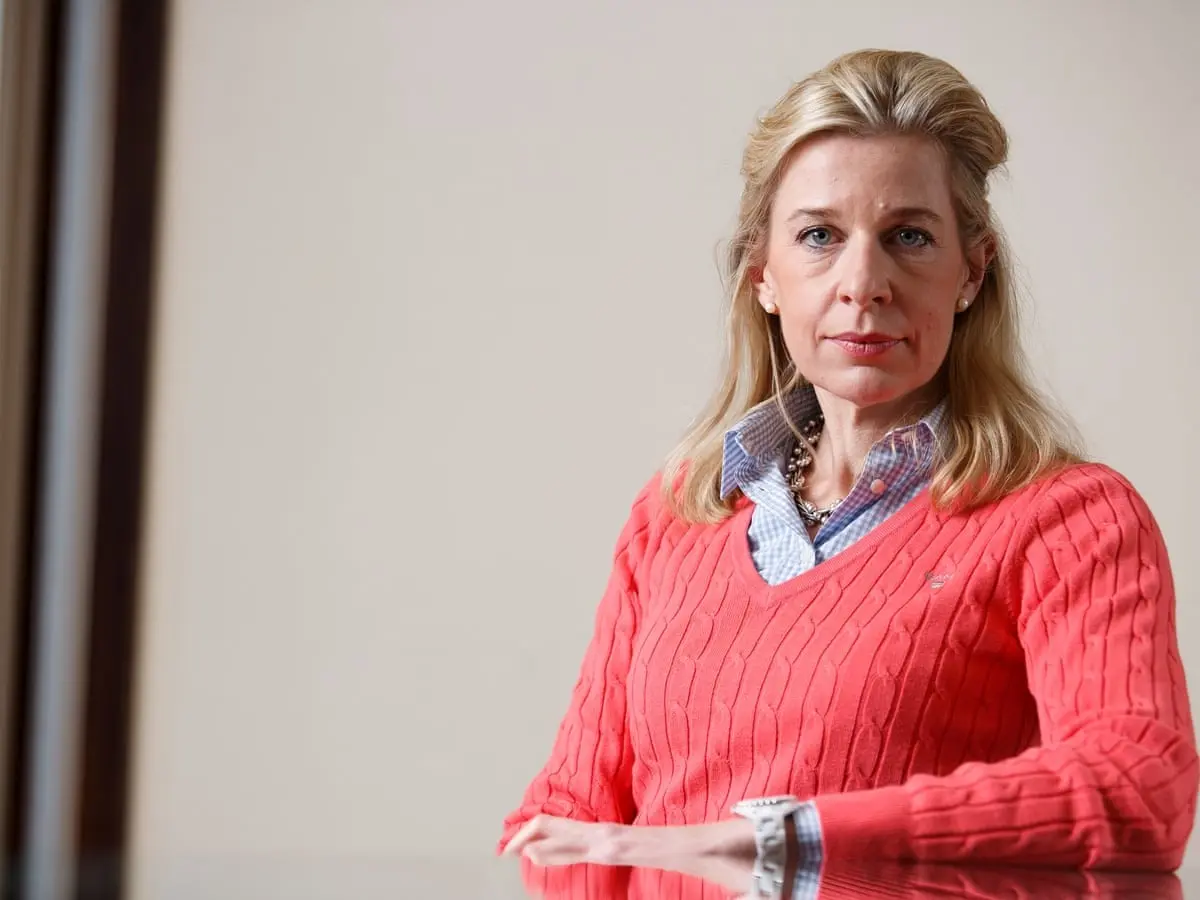
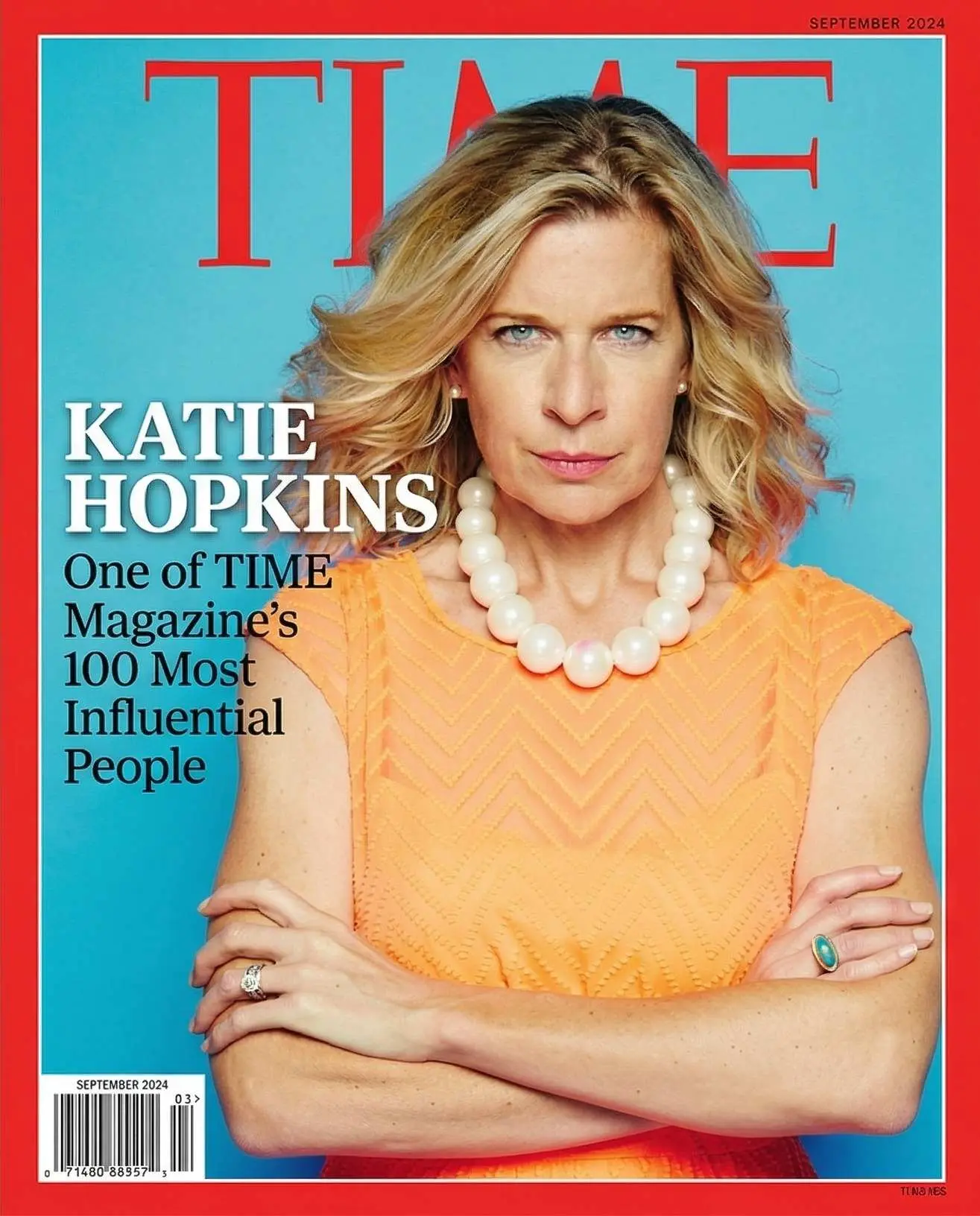
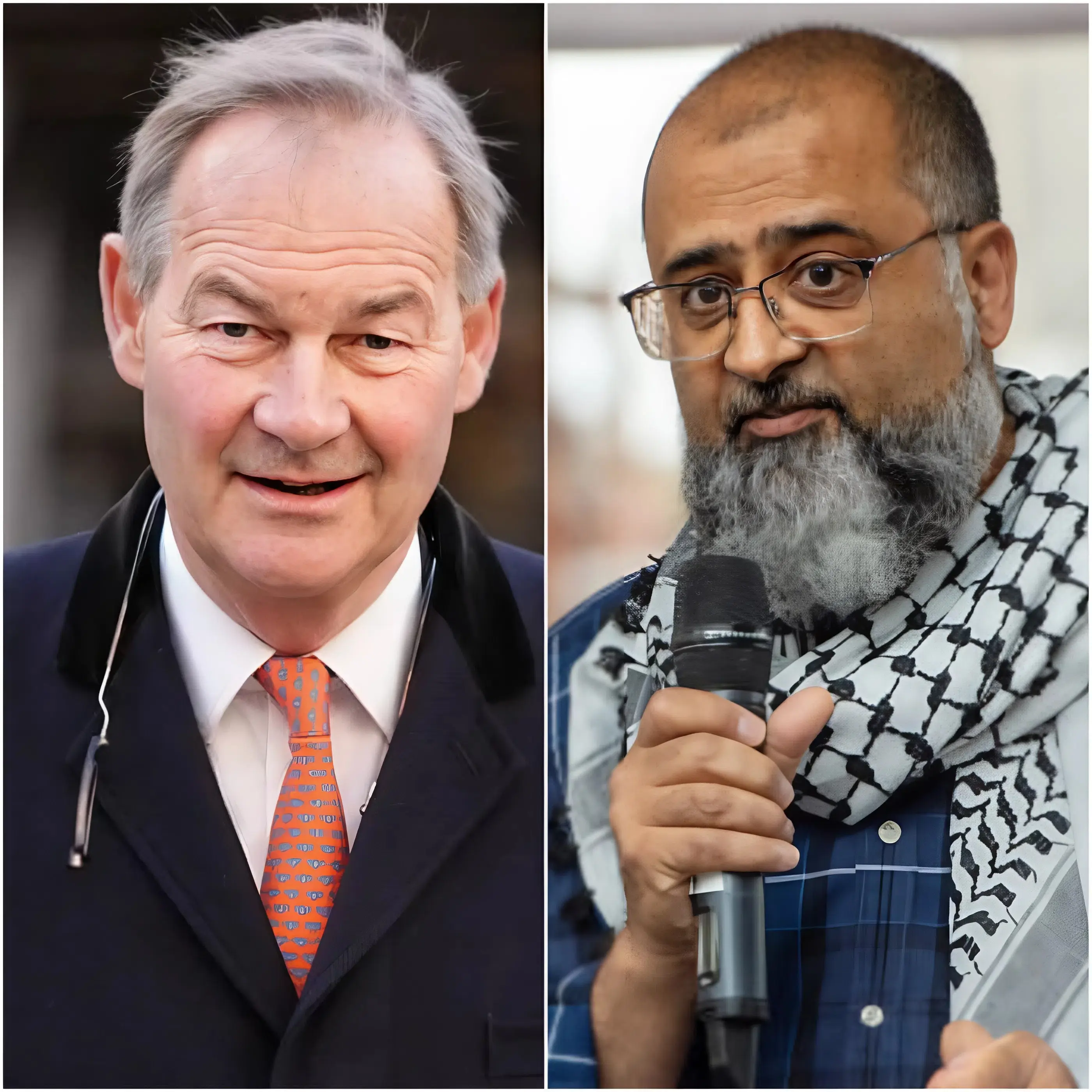
    Commentator Katie Hopkins has ignited a sharp political controversy following remarks in which she advocated for the deportation of individuals, including Muslims, who she claims refuse to integrate into British society or pose risks to public order and security. The comments, delivered during a heated confrontation that involved a Muslim Member of Parliament, quickly escalated into one of the most polarised immigration debates in recent months.

    Hopkins argued that current integration policies have failed in certain communities and that stronger measures, including mass deportations of those without legal status or with criminal convictions, are required to protect British values and social cohesion. She described the situation as a “national firestorm” and positioned her stance as a defence of British identity against what she sees as unsustainable demographic and cultural change.

    The exchange has dominated headlines and social media, with Reform UK figures expressing support for a tougher approach to immigration enforcement. Critics, including Labour and Conservative MPs as well as Muslim community representatives, have condemned the language as inflammatory and potentially inciting division. Some have called for formal censure or investigation into whether the remarks cross legal boundaries regarding hate speech.

    From a policy perspective, the UK already operates a deportation system for foreign nationals convicted of serious crimes or those whose presence is deemed not conducive to the public good. However, large-scale deportations targeting entire religious or ethnic groups would face significant legal, practical and international obstacles, including human rights legislation, appeals processes and obligations under the European Convention on Human Rights.

    Official statistics from the Home Office show that net migration remains high, with particular pressures from small boat crossings, asylum backlogs and integration challenges in some urban areas. Public concern over these issues is well documented in polling, with many respondents across political lines supporting reduced immigration and firmer enforcement. At the same time, community relations organisations warn that generalised rhetoric risks alienating law-abiding British Muslims and undermining counter-extremism efforts.

    Katie Hopkins has built a public profile through direct, unfiltered commentary on migration, Islam and cultural change. Her supporters credit her with voicing concerns that mainstream politicians have avoided, while detractors accuse her of exploiting fear and promoting division. The latest incident fits into a pattern of provocative statements that generate significant media attention and deepen existing political fault lines.

    Parliamentary reactions have been swift. Labour ministers have reaffirmed the government’s commitment to managed migration and community cohesion programmes, while emphasising that deportation policy must remain targeted and lawful. Conservative spokespeople have called for stricter border controls but distanced themselves from the most extreme elements of Hopkins’ language. Reform UK has used the moment to reiterate its calls for a full immigration pause and large-scale returns.

    The episode highlights the tension between free speech and social harmony in a diverse society. UK law protects robust political debate but sets limits on incitement to hatred or violence. Determining where commentary ends and unacceptable speech begins often leads to contested legal and political battles.

    Broader context includes ongoing challenges with integration. Reports from successive governments and independent reviews have identified issues such as parallel societies, grooming gang scandals, extremism in certain mosques and disparities in educational and employment outcomes. These problems fuel public anxiety, yet addressing them constructively requires evidence-based policy rather than blanket rhetoric.

    For the political system, the controversy underscores how immigration remains a defining fault line. Both major parties have struggled to reconcile voter demands for control with international obligations and economic needs. Reform UK’s rise has intensified pressure on Labour and the Conservatives to respond more decisively or risk further voter realignment.

    As the debate continues, attention is turning to whether the government will introduce new legislation on deportation, citizenship revocation or integration requirements. Hopkins’ intervention has succeeded in placing these issues at the centre of national attention, even as it polarises opinion.

    The long-term impact will depend on whether the discussion leads to substantive policy changes or remains confined to rhetorical confrontation. In Britain’s parliamentary democracy, strong voices from outside the mainstream can influence the agenda, yet translating rhetoric into workable governance remains the ultimate test.

    In a shocking twist that further fuelled public outrage, a clip from Times Radio went viral. It featured a former Labour adviser who appeared to trivialise the rape gang scandal through flippant remarks and mocking exchanges. The insensitivity displayed in the broadcast stunned many listeners and sparked fierce backlash online.

    Critics argued that such casual dismissal from individuals in positions of influence only deepens the trauma of survivors who have already endured unimaginable suffering and years of being silenced. The incident highlighted a broader perception that parts of the political and media establishment still struggle to treat this issue with the gravity it demands.

    The inquiry has not been without scepticism. Some survivors have expressed doubts about whether it will lead to real change or simply become another report that gathers dust on a shelf. Questions remain about the government’s parallel statutory inquiry and whether the two efforts will complement each other or result in further delays. Nevertheless, the courage shown by those who came forward to testify has been widely praised, offering a glimmer of hope that the long-suppressed truth is finally surfacing.

  • “NATION SHOCKED: INQUIRY EXPOSES FAILURES AS SURVIVORS SPEAK OUT!” Explosive testimonies are igniting outrage as a major inquiry sheds light on past failures to protect victims—raising urgent questions about accountability, justice, and how such cases were handled. With public anger growing and calls for transparency intensifying, pressure is mounting on those in power.

    “NATION SHOCKED: INQUIRY EXPOSES FAILURES AS SURVIVORS SPEAK OUT!” Explosive testimonies are igniting outrage as a major inquiry sheds light on past failures to protect victims—raising urgent questions about accountability, justice, and how such cases were handled. With public anger growing and calls for transparency intensifying, pressure is mounting on those in power.

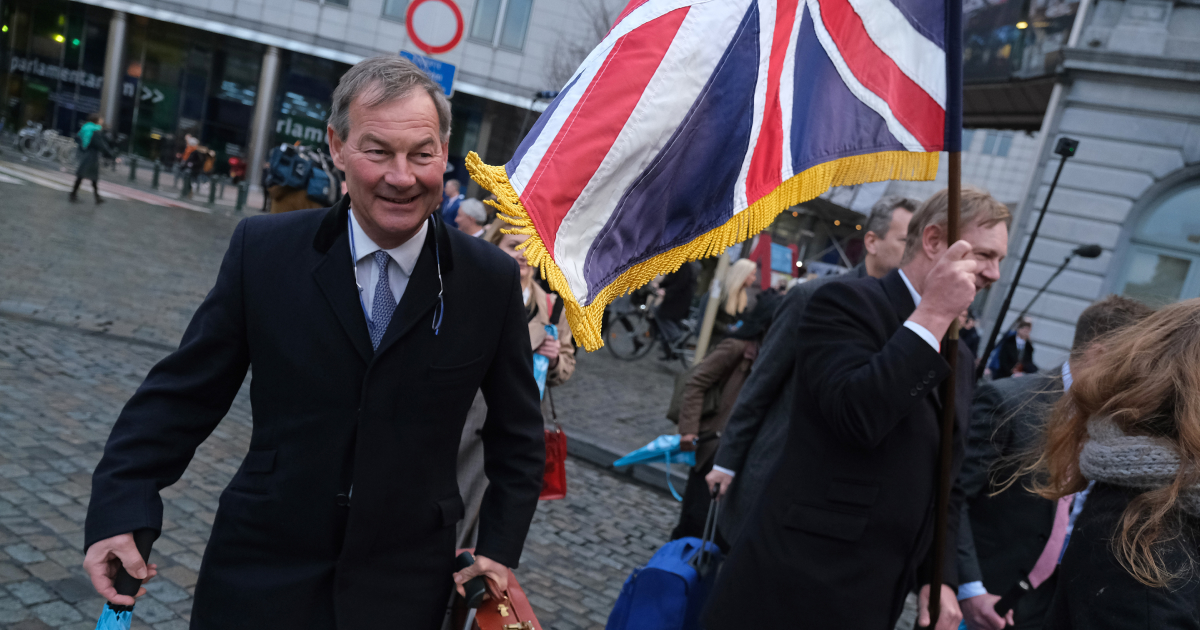
    Shocking revelations have emerged from Rupert Lowe’s independent inquiry into grooming gangs in Britain, igniting widespread outrage across the nation. For years, the systematic abuse of thousands of vulnerable young girls was buried beneath layers of institutional denial, political correctness, and fear of being labelled racist. Now, survivors are finally being heard. Their harrowing testimonies are exposing the full scale of a scandal that many describe as the most significant child abuse tragedy in modern British history.

    The inquiry, launched by Independent MP Rupert Lowe, was made possible through crowdfunding that raised a staggering £600,000 from more than 20,000 concerned citizens. This grassroots funding reflected deep public frustration with successive governments’ failure to establish a comprehensive national investigation. The hearings, which lasted two weeks in early 2026, focused on collecting direct evidence from survivors and whistleblowers, shining a light on the systemic failures that allowed these horrific crimes to persist for decades in towns and cities across the country.

    One of the most powerful voices to emerge was that of survivor Fiona Goddard. In her testimony, Goddard recounted how she was groomed and abused from a young age. When she desperately sought help from authorities, she was dismissed and even accused of racism for describing her attackers as “Asian men.” During one particularly chilling call for assistance, she was told that highlighting the ethnicity of the perpetrators was inappropriate. This response exemplified the absurd and dangerous lengths to which some institutions went to avoid confronting uncomfortable truths about the background of the offenders.

    Marilyn Horn, CEO of Freedom from Abuse, described the scale of the abuse as “endemic.” She did not mince her words when characterising the perpetrators as “monstrous, barbaric, evil, vile men.” Her statement resonated strongly with many who have followed the inquiry, underscoring the brutality of the crimes and the collective failure of police, social services, councils, and other agencies to protect vulnerable children. Horn emphasised that the inquiry must not only listen to survivors but also hold accountable those who turned a blind eye or actively obstructed justice for years.

    The two-week hearings were filled with emotional accounts of grooming, repeated sexual violence, trafficking, and institutional betrayal. Survivors spoke of being failed repeatedly by the very systems designed to safeguard them. Many described how concerns raised by frontline workers were ignored or suppressed due to fears of “community tensions” or accusations of racism. The inquiry deliberately examined the ethnicity and cultural background of the perpetrators, a focus that has drawn criticism from some quarters but which survivors and advocates argue is essential for understanding the pattern of offending and preventing future tragedies.

    As the hearings unfolded, public anger intensified. The demand for genuine justice grew louder, with calls for those responsible for cover-ups — whether through negligence, political pressure, or ideological blindness — to face consequences. Lowe has indicated that the findings could support private prosecutions against officials who failed in their duty, a move that signals a determination to go beyond mere reporting and achieve tangible accountability.

    In a shocking twist that further fuelled public outrage, a clip from Times Radio went viral. It featured a former Labour adviser who appeared to trivialise the rape gang scandal through flippant remarks and mocking exchanges. The insensitivity displayed in the broadcast stunned many listeners and sparked fierce backlash online. Critics argued that such casual dismissal from individuals in positions of influence only deepens the trauma of survivors who have already endured unimaginable suffering and years of being silenced.

    The incident highlighted a broader perception that parts of the political and media establishment still struggle to treat this issue with the gravity it demands.

    The inquiry has not been without scepticism. Some survivors have expressed doubts about whether it will lead to real change or simply become another report that gathers dust on a shelf. Questions remain about the government’s parallel statutory inquiry and whether the two efforts will complement each other or result in further delays. Nevertheless, the courage shown by those who came forward to testify has been widely praised, offering a glimmer of hope that the long-suppressed truth is finally surfacing.

    Throughout the process, the focus on ethnicity has remained controversial. While critics accuse the inquiry of inflaming tensions, supporters insist that ignoring the clear patterns observed in many grooming gang cases — predominantly involving men of Pakistani heritage in certain areas — would only perpetuate the problem. Survivors and campaigners maintain that confronting these facts head-on is not about stigmatising entire communities but about protecting children and ensuring that cultural sensitivities never again override the duty to safeguard the most vulnerable.

    As the hearings concluded, Rupert Lowe described the evidence presented as overwhelming and disturbing. The testimonies painted a picture of widespread grooming operations that exploited girls as young as 11 or 12, often with the knowledge or indifference of local authorities. Reports of girls being labelled “child prostitutes” by police or social workers, rather than recognised as victims, have particularly horrified the public.

    This independent inquiry represents a pivotal moment in Britain’s reckoning with one of its darkest chapters. For too long, political correctness and institutional cowardice allowed these crimes to continue unchecked. The courage of survivors like Fiona Goddard, combined with the determination of figures like Rupert Lowe and the thousands of ordinary citizens who funded the effort, has forced the issue back into the national spotlight.

    The fight for justice is far from over. The upcoming report from the inquiry is expected to detail not only the scale of the abuse but also the specific failures that enabled it. There are growing calls for a full national inquiry with statutory powers, mandatory training for authorities, and reforms to prevent ethnicity from ever again acting as a barrier to action. Many hope that private prosecutions will follow where the state has fallen short.

    Ultimately, the British public is watching closely. The nation owes it to every survivor to ensure their stories are not forgotten and that meaningful reforms are implemented. The testimonies shared during these hearings have laid bare the painful realities of systemic grooming and abuse. Confronting them honestly is the only way to honour the victims and prevent such horrors from being repeated.

    This scandal has exposed deep flaws in Britain’s safeguarding systems and the corrosive impact of ideology on public institutions. As the inquiry’s findings are digested and debated in the coming months, one message remains clear: the voices of the survivors must no longer be ignored. Justice, though long delayed, can still be pursued. The country must now demonstrate the resolve to act decisively, ensuring that no child suffers in silence again because authorities were too afraid to speak the truth.

  • 🔥📣 10 MINUTES AGO: Police have found the person who helped Freeman survive in a container for 7 months. This individual is tied to a massive organization in the U.S., and that organization is… 👇👇

    🔥📣 10 MINUTES AGO: Police have found the person who helped Freeman survive in a container for 7 months. This individual is tied to a massive organization in the U.S., and that organization is… 👇👇

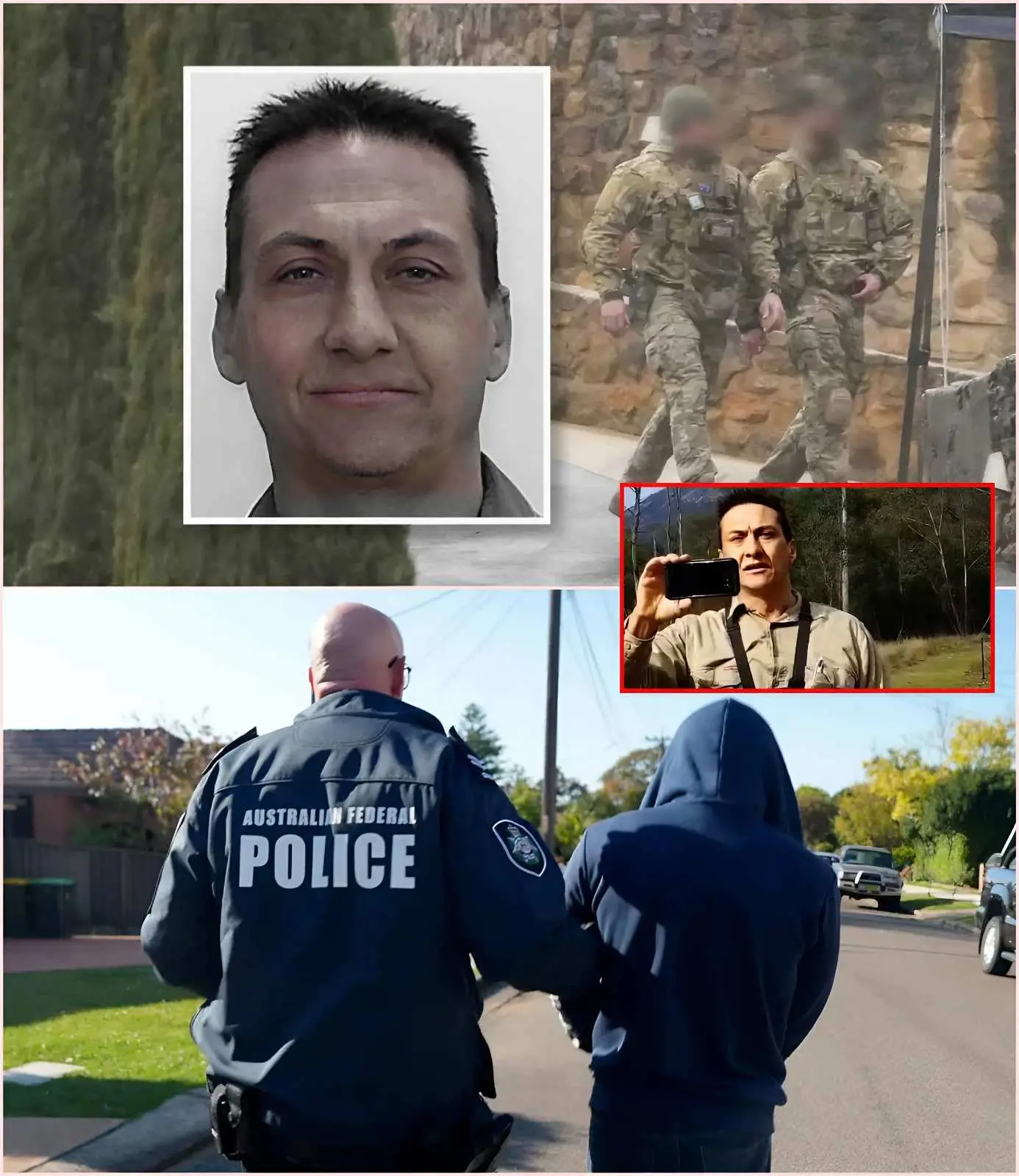
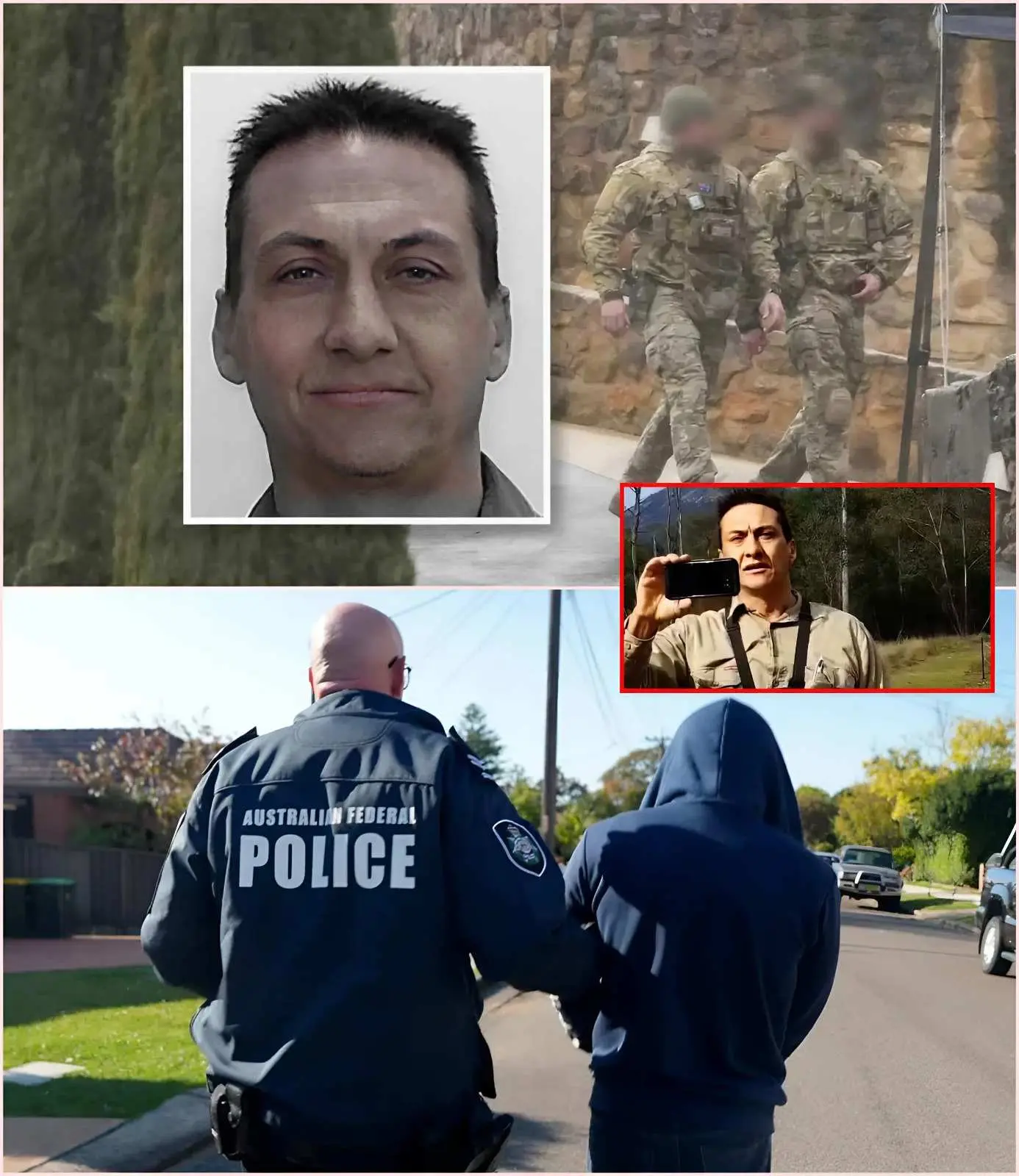
    30 MINUTES AGO: Police have reportedly identified the individual who helped Freeman survive inside a sealed container for seven months — a revelation that has sent shockwaves through investigators and the public alike. What began as a baffling survival story has now evolved into something far more complex, raising unsettling questions about how such an ordeal was even possible and who else might have been involved behind the scenes.

    Dezi Freeman's time on the run puts sovereign citizens in the spotlight -  ABC News

    According to early reports, Freeman’s discovery stunned authorities not only because of the sheer improbability of surviving in such confined and harsh conditions, but also due to the emerging evidence that suggests this was not a case of pure chance or accidental entrapment. Investigators now believe that someone on the outside may have been deliberately providing limited support — just enough to keep Freeman alive, but not enough to allow escape or detection.

    For months, the container remained hidden in what appeared to be an ordinary industrial zone. Workers came and went, shipments were logged, and routine operations continued without raising suspicion. Yet inside that steel enclosure, cut off from sunlight, fresh air, and human contact, Freeman endured conditions that experts are already calling “beyond extreme.” Medical professionals reviewing the case have noted that survival for such a prolonged period would have required not only mental resilience, but also intermittent access to water, minimal nutrition, and possibly ventilation — factors that strongly support the theory of external assistance.

    Dezi Freeman: A pathetic end for a deluded conspiracy theorist | The  Canberra Times | Canberra, ACT

    The breakthrough reportedly came when forensic teams re-examined security footage and transport logs connected to the container’s movement. Patterns began to emerge — subtle irregularities in timing, unexplained stops, and one recurring presence: a figure who appeared repeatedly near the container across different locations. This individual, whose identity has not yet been officially disclosed, is now believed to have played a key role in sustaining Freeman during those seven months.

    But what has truly escalated the case into a national-level investigation is the alleged connection between this person and a larger organization based in Australia. While authorities have not publicly named the group, sources close to the investigation suggest it may be linked to logistics, shipping, or industrial operations — sectors that would provide both the means and the cover necessary to move a container unnoticed over long distances.

    This possibility has opened a flood of speculation. Was Freeman deliberately hidden? Was this part of a larger operation, or an isolated act involving someone with access to specialized resources? And perhaps most troubling of all: was the goal to keep Freeman alive… or simply to keep them out of sight?

    Law enforcement agencies are now working across jurisdictions, coordinating efforts to trace the movements of the container and identify all individuals who may have had access to it. Interviews are being conducted, digital records are being analyzed, and warrants are reportedly being prepared as the investigation accelerates.

    Meanwhile, the public reaction has been intense. Social media platforms are flooded with theories, many of them questioning how such an event could occur without detection in a modern, highly monitored environment. Others are focusing on the psychological aspect of Freeman’s survival — what it means to endure isolation for such an extended period, and what kind of recovery lies ahead.

    Freeman, whose current condition has not been fully disclosed, is said to be receiving medical care and psychological support. Experts caution that surviving such an ordeal is only the beginning; the long-term effects, both physical and mental, could be profound. Dehydration, malnutrition, and sensory deprivation are just a few of the challenges that survivors of extreme confinement often face.

    As for the mysterious helper, investigators are proceeding carefully. While the idea of someone providing aid might suggest compassion, authorities are not ruling out the possibility that this assistance was part of a controlled situation — one in which survival was allowed, but freedom was not. In that sense, the line between rescuer and accomplice becomes dangerously blurred.

    At this stage, many details remain unconfirmed, and officials are urging the public to avoid jumping to conclusions. However, the indication that a broader organization may be involved has already elevated the case to one of the most talked-about developments in recent weeks. If confirmed, it could expose serious gaps in oversight and raise urgent questions about accountability within certain industries.

    Dezi Freeman shot dead after being found inside a container after seven  months on the run | Daily Mail Online

    What happens next will likely depend on the evidence uncovered in the coming days. Will authorities name the organization? Will more individuals be implicated? And perhaps most importantly, will Freeman be able to provide firsthand insight into what truly happened during those seven months?

    For now, the story remains a mix of verified facts and unfolding leads — a case that is as disturbing as it is mysterious. One thing is certain: what initially appeared to be an unbelievable survival story is rapidly turning into something much larger, with implications that could reach far beyond a single container.

  • 🔥📣 10 MINUTES AGO: Police have found the person who helped Freeman survive in a container for seven months. This individual is linked to a major organisation in the UK, and that organisation is… 👇👇

    🔥📣 10 MINUTES AGO: Police have found the person who helped Freeman survive in a container for seven months. This individual is linked to a major organisation in the UK, and that organisation is… 👇👇

    30 MINUTES AGO: Police have reportedly identified the individual who helped Freeman survive inside a sealed container for seven months — a revelation that has sent shockwaves through investigators and the public alike. What began as a baffling survival story has now evolved into something far more complex, raising unsettling questions about how such an ordeal was even possible and who else might have been involved behind the scenes.

    Dezi Freeman's time on the run puts sovereign citizens in the spotlight -  ABC News

    According to early reports, Freeman’s discovery stunned authorities not only because of the sheer improbability of surviving in such confined and harsh conditions, but also due to the emerging evidence that suggests this was not a case of pure chance or accidental entrapment. Investigators now believe that someone on the outside may have been deliberately providing limited support — just enough to keep Freeman alive, but not enough to allow escape or detection.

    For months, the container remained hidden in what appeared to be an ordinary industrial zone. Workers came and went, shipments were logged, and routine operations continued without raising suspicion. Yet inside that steel enclosure, cut off from sunlight, fresh air, and human contact, Freeman endured conditions that experts are already calling “beyond extreme.” Medical professionals reviewing the case have noted that survival for such a prolonged period would have required not only mental resilience, but also intermittent access to water, minimal nutrition, and possibly ventilation — factors that strongly support the theory of external assistance.

    Dezi Freeman: A pathetic end for a deluded conspiracy theorist | The  Canberra Times | Canberra, ACT

    The breakthrough reportedly came when forensic teams re-examined security footage and transport logs connected to the container’s movement. Patterns began to emerge — subtle irregularities in timing, unexplained stops, and one recurring presence: a figure who appeared repeatedly near the container across different locations. This individual, whose identity has not yet been officially disclosed, is now believed to have played a key role in sustaining Freeman during those seven months.

    But what has truly escalated the case into a national-level investigation is the alleged connection between this person and a larger organization based in Australia. While authorities have not publicly named the group, sources close to the investigation suggest it may be linked to logistics, shipping, or industrial operations — sectors that would provide both the means and the cover necessary to move a container unnoticed over long distances.

    This possibility has opened a flood of speculation. Was Freeman deliberately hidden? Was this part of a larger operation, or an isolated act involving someone with access to specialized resources? And perhaps most troubling of all: was the goal to keep Freeman alive… or simply to keep them out of sight?

    Law enforcement agencies are now working across jurisdictions, coordinating efforts to trace the movements of the container and identify all individuals who may have had access to it. Interviews are being conducted, digital records are being analyzed, and warrants are reportedly being prepared as the investigation accelerates.

    Meanwhile, the public reaction has been intense. Social media platforms are flooded with theories, many of them questioning how such an event could occur without detection in a modern, highly monitored environment. Others are focusing on the psychological aspect of Freeman’s survival — what it means to endure isolation for such an extended period, and what kind of recovery lies ahead.

    Freeman, whose current condition has not been fully disclosed, is said to be receiving medical care and psychological support. Experts caution that surviving such an ordeal is only the beginning; the long-term effects, both physical and mental, could be profound. Dehydration, malnutrition, and sensory deprivation are just a few of the challenges that survivors of extreme confinement often face.

    As for the mysterious helper, investigators are proceeding carefully. While the idea of someone providing aid might suggest compassion, authorities are not ruling out the possibility that this assistance was part of a controlled situation — one in which survival was allowed, but freedom was not. In that sense, the line between rescuer and accomplice becomes dangerously blurred.

    At this stage, many details remain unconfirmed, and officials are urging the public to avoid jumping to conclusions. However, the indication that a broader organization may be involved has already elevated the case to one of the most talked-about developments in recent weeks. If confirmed, it could expose serious gaps in oversight and raise urgent questions about accountability within certain industries.

    Dezi Freeman shot dead after being found inside a container after seven  months on the run | Daily Mail Online

    What happens next will likely depend on the evidence uncovered in the coming days. Will authorities name the organization? Will more individuals be implicated? And perhaps most importantly, will Freeman be able to provide firsthand insight into what truly happened during those seven months?

    For now, the story remains a mix of verified facts and unfolding leads — a case that is as disturbing as it is mysterious. One thing is certain: what initially appeared to be an unbelievable survival story is rapidly turning into something much larger, with implications that could reach far beyond a single container.

  • 🚨 BREAKING NEWS: After stunningly retiring at just 25 years old, Australian swimming superstar Ariarne Titmus

    🚨 BREAKING NEWS: After stunningly retiring at just 25 years old, Australian swimming superstar Ariarne Titmus

    Ariarne Titmus Shocks Australian Swimming World with Emotional Retirement Announcement and Baby Plans

    After retiring at the age of 25, one of Australia’s most outstanding female swimming stars, Ariarne Titmus, shocked the Australian swimming community and the global media when she made an announcement about her boyfriend Mack and herself: “Thank you everyone for supporting me. I also wanted to contribute to Australia’s achievements, but now I need to rest, and I am very happy that my boyfriend and I are planning to…”

    In a heartfelt and deeply personal statement released this week, four-time Olympic champion Ariarne Titmus revealed that she and her boyfriend, Mack Powell, are planning to start a family, with the 25-year-old Tasmanian star confirming she intends to become pregnant next year.

    The news has sent shockwaves through the swimming world. Titmus, who only announced her retirement from competitive swimming in October 2025 after an illustrious career that included four Olympic gold medals and a world record in the 200m freestyle, had largely stayed out of the spotlight since stepping away from the pool. Many assumed she would take time to recover from the intense physical and mental demands of elite swimming, perhaps pursue broadcasting or coaching. Few expected such a personal revelation so soon.

    In her carefully worded message, Titmus expressed gratitude to fans, teammates, coaches, and the Australian public who had supported her throughout her 18-year journey in the sport. She acknowledged the pride she felt representing Australia and contributing to the nation’s swimming success, particularly during the golden era that saw her battle fiercely with rivals like Katie Ledecky and Mollie O’Callaghan.

    “But now I need to rest,” she wrote. “I have given everything to the sport since I was a little girl, and it’s time to prioritise my health, my happiness, and my future with the person I love.”

    Titmus went on to confirm that she and Mack Powell, her partner since early 2025, are actively planning to start a family. According to sources close to the couple, the pair hope Titmus will become pregnant in 2027, marking a new chapter focused on motherhood and family life.

    Mack Powell, a Melbourne-based investment analyst, has been a steady and supportive presence in Titmus’s life. The couple first went public with their relationship in January 2025 and have since been spotted enjoying quiet dates, travelling, and simply spending time together away from the intense scrutiny of elite sport. Friends describe Powell as a grounding influence who helped Titmus navigate the emotional challenges of retirement.

    The announcement has elicited a wave of emotional responses. Fellow Australian swimmers, including Kaylee McKeown and Mollie O’Callaghan, sent public messages of support, wishing Titmus joy in her next adventure. Swimming Australia issued a statement praising her extraordinary career and respecting her decision to step into a new phase of life.

    Globally, the news has been met with a mixture of surprise and admiration. Many commentators noted that Titmus is retiring at the peak of her powers — she remains the reigning Olympic champion in the 400m freestyle and holds the world record in the 200m — choosing family over the possibility of extending her dominance into the 2028 Los Angeles Olympics.

    Her decision echoes that of other elite female athletes who have prioritised motherhood, but few have done so at such a young age and with so little time between retirement and family planning. Titmus has been open in the past about the physical toll of high-level swimming, including a cancer scare before the Paris Olympics in 2024 when she underwent surgery to remove an ovarian tumour. That health scare, she has said, gave her a new perspective on life and what truly matters.

    In the weeks following her retirement announcement, Titmus moved to Melbourne to live with Powell, describing it as “a fresh start, a new chapter.” She has spoken about enjoying simple pleasures — beach walks, time with family, and the absence of early morning training sessions. Now, with the news of her plans to have a baby next year, it appears she is fully embracing this next stage.

    The swimming community has been quick to reflect on Titmus’s legacy. She burst onto the international scene as a teenager and quickly established herself as one of the finest middle-distance freestylers of her generation. Her rivalry with American star Katie Ledecky produced some of the most memorable races in recent Olympic history. At the Paris Games, despite her health issues, Titmus delivered standout performances that cemented her status as an Australian sporting icon.

    Beyond the medals, Titmus has been praised for her professionalism, humility, and grace under pressure. Her decision to retire at 25, while still at the top of her game, has sparked broader conversations about athlete welfare, the demands of elite sport on young women, and the importance of life balance.

    Some fans expressed sadness that they would no longer see Titmus lighting up the pool, but the overwhelming sentiment has been one of support and excitement for her future. Many have drawn parallels with other athletes who found fulfilment in family life after retirement, noting that Titmus appears genuinely at peace with her choice.

    As she prepares for this new journey, Titmus has hinted that she may remain involved in swimming in a non-competitive capacity — perhaps through mentoring young athletes or contributing to development programs in Australia. She has also expressed interest in media work and using her platform to advocate for women’s health and athlete wellbeing.

    For now, though, her focus is on rest, recovery, and building a life with Mack Powell. The couple’s plan to start a family next year marks the beginning of what many hope will be a joyful and fulfilling chapter.

    Ariarne Titmus leaves the sport as one of Australia’s greatest swimmers, but she may ultimately be remembered just as much for the courage and honesty with which she chose to live life on her own terms. In a world that often demands athletes sacrifice everything for success, her decision to prioritise love, health, and family feels both refreshing and profoundly human.

    As the swimming world continues to celebrate her remarkable career, fans and fellow athletes alike are now sending their best wishes for the exciting road ahead — one that will hopefully include the pitter-patter of tiny feet in the Titmus-Powell household sometime in 2027.

  • “MUSL|MS W|PED 0UT as Restore Britain SOARS in Approval Rating!!!

    “MUSL|MS W|PED 0UT as Restore Britain SOARS in Approval Rating!!!

    Support for the Restore Britain movement has climbed to a new high, according to emerging polling trends that suggest Britain’s political environment is shifting faster than many analysts expected.

    Why some Catholics will look to Restore Britain

    The rise comes amid mounting public frustration over immigration policy, cost-of-living pressures, public service strain, and a growing perception that mainstream parties have failed to deliver effective long-term solutions. While the UK has seen political volatility for years, the scale and speed of Restore Britain’s growing approval has sparked new speculation that the next election cycle could be shaped by forces outside the traditional Westminster structure.

    Political observers say this surge is not simply a temporary spike driven by media attention. Instead, it reflects a broader structural shift in British voter sentiment — one that has been building gradually but is now accelerating as public confidence in the political establishment continues to weaken.

    A Movement Rising in a Fragmented Political Era

    Restore Britain has increasingly positioned itself as an alternative to the major parties, framing its message around themes of national sovereignty, border control, economic stability, and public order. Its rise mirrors a wider European trend in which populist and nationalist parties have gained traction by tapping into dissatisfaction with centrist governance.

    While the movement’s supporters argue that it represents a long-overdue correction to what they view as decades of political drift, critics have warned that its momentum could deepen political polarization and make consensus-driven policymaking more difficult.

    Still, the numbers indicate that Restore Britain is now moving beyond fringe status. Its growth suggests it may be reaching the point where it can influence national policy debates even if it does not immediately secure power.

    Immigration Pressure as a Central Driver

    One of the most consistent themes behind the movement’s rise is immigration.

    Britain’s immigration levels have remained politically contentious for years, with public debate intensifying after Brexit. Many voters supported Brexit under the expectation that it would allow the UK to regain control over migration flows. However, immigration has remained high, and critics argue that post-Brexit immigration policy has failed to deliver the reduction many voters anticipated.

    Restore Britain has used this issue to frame a broader narrative: that the government is either unwilling or unable to enforce meaningful immigration controls. The movement has argued that high immigration contributes to housing shortages, wage pressure in certain sectors, and increased strain on public services such as healthcare and education.

    Opponents counter that immigration remains essential for the UK economy, particularly in sectors facing labour shortages, including healthcare, agriculture, and logistics. Business groups have repeatedly warned that reducing migration too aggressively could damage economic output and worsen staffing crises.

    Despite these competing arguments, polling suggests that immigration remains a powerful political motivator, particularly among working-class and suburban voters who feel they have seen limited improvement in their quality of life.

    Cost-of-Living Crisis Fuels Political Realignment

    Economic frustration is another major factor behind Restore Britain’s rising popularity.

    The UK continues to face high living costs, stagnant wage growth in many regions, and persistent housing affordability challenges. Energy prices, grocery costs, and rent inflation have placed sustained pressure on households, particularly outside London and the southeast.

    Many voters now view the political establishment — including both Conservative and Labour leadership — as unable to provide a credible economic recovery plan.

    Restore Britain has positioned itself as a movement willing to take more radical steps to protect domestic workers and taxpayers. Its messaging emphasizes “national renewal,” suggesting that Britain must prioritize domestic investment, secure borders, and reduced reliance on globalized labour systems.

    Political analysts say the economic component is crucial. While cultural and identity issues may energize certain voters, financial stress often determines whether a movement can expand beyond a core base.

    In this case, Restore Britain appears to be benefiting from a convergence of both: identity-driven politics combined with widespread economic dissatisfaction.

    A Crisis of Trust in Westminster

    Making Britain's Muslims British - WSJ

    Perhaps the most important underlying factor is declining trust in Britain’s institutions.

    Recent years have seen repeated scandals, leadership collapses, policy reversals, and party infighting. Many voters have become increasingly skeptical of promises made by mainstream parties, believing that elections change rhetoric but not outcomes.

    This sense of political fatigue has created an environment where new movements can thrive simply by presenting themselves as “not the establishment.”

    Restore Britain has capitalized on this perception, presenting its rise as a public rejection of what it calls bureaucratic stagnation and elite detachment. Even voters who may not fully agree with all of its proposals appear willing to consider it as a protest option.

    The movement’s polling surge may therefore reflect less about ideological conversion and more about political abandonment — voters leaving traditional parties because they no longer believe meaningful reform is possible within the current system.

    The Role of National Identity and Cultural Debate

    National identity has become a growing political issue across Britain, particularly in discussions surrounding integration, civic values, and social cohesion.

    Restore Britain’s messaging has leaned heavily into these themes, arguing that the UK must rebuild a stronger sense of shared national purpose. Supporters say the movement speaks to concerns that are often dismissed as politically sensitive or avoided by mainstream politicians.

    Critics, however, argue that identity-focused politics risks fueling division and oversimplifying complex challenges.

    Even so, political analysts note that identity debates tend to intensify during periods of economic strain. When households feel financially insecure, public attention often shifts toward questions of belonging, entitlement, and fairness — particularly regarding public services and government spending.

    This dynamic has been visible not only in Britain, but across Europe and North America.

    Polling Momentum and the Media Effect

    Restore Britain’s approval surge has also been amplified by media coverage and social media traction.

    As the movement’s polling numbers rise, it becomes increasingly difficult for mainstream outlets to ignore. This creates a feedback loop: higher polling drives more coverage, which drives greater public awareness, which can further increase support.

    This dynamic has been seen repeatedly with outsider political movements, particularly those that rely on anti-establishment branding.

    At the same time, critics argue that viral messaging can exaggerate a movement’s strength and create the impression of unstoppable momentum, even if electoral reality is more complex. Polling surges do not always translate into parliamentary power, especially in the UK’s first-past-the-post system.

    However, even without major seat wins, a movement can still reshape national politics by forcing larger parties to adopt tougher positions on key issues.

    The Conservative and Labour Dilemma

    Muslim leaders in UK warn of 'worrying' levels of Islamophobia | Islam |  The Guardian

    Restore Britain’s rise poses strategic problems for both major parties.

    For Conservatives, it threatens to split the right-of-centre vote, weakening their ability to compete in marginal constituencies. Conservative strategists have long feared that nationalist or populist movements could siphon off support from traditional Tory voters, especially those motivated by immigration and sovereignty issues.

    For Labour, the threat is different but equally serious. Labour has attempted to build a broad coalition that includes both progressive urban voters and economically struggling working-class regions. A growing Restore Britain presence could erode Labour’s position in areas where voters feel abandoned by both major parties.

    If Restore Britain continues to rise, both parties may be forced to recalibrate their messaging. Conservatives may harden their immigration and law-and-order platform, while Labour may seek to emphasize economic stability and controlled reform rather than ideological transformation.

    What This Means for UK Policy Direction

    Even if Restore Britain does not win a large number of seats, its growing influence could reshape policy discussions.

    Immigration policy could shift toward stricter enforcement measures and reduced intake targets. Public spending debates may intensify, with increased focus on prioritizing domestic infrastructure and limiting external commitments. National security and border control may become more central campaign issues.

    This could also affect Britain’s relationship with Europe and international institutions. Populist movements often argue for greater independence from multilateral frameworks, and Restore Britain has signaled similar themes.

    Analysts warn that such shifts could create tension with business leaders, who generally prefer stability, open markets, and predictable labour access. At the same time, supporters argue that business priorities have been placed above citizen concerns for too long.

    A Political Turning Point or a Temporary Spike?

    The key question is whether Restore Britain’s surge represents a lasting political realignment or a short-term reaction to public frustration.

    Some analysts argue that Britain’s current environment is ripe for long-term disruption. Housing costs remain high, immigration remains politically unresolved, and public trust remains weak. Under those conditions, outsider movements often maintain momentum.

    Others argue that protest support can fade quickly if mainstream parties adjust their platforms or if Restore Britain struggles to present detailed policy plans.

    The movement’s future may depend on whether it can move from rhetoric to credible governance proposals — and whether it can avoid internal divisions that often weaken fast-rising political groups.

    Conclusion

    Restore Britain’s record-high approval rating signals a significant shift in Britain’s political mood, reflecting deeper frustrations over immigration, economic insecurity, and institutional trust.

    Whether this surge translates into electoral power remains uncertain, but its growing influence is already reshaping the national conversation. For the Conservative and Labour parties, the message is clear: a rising share of the public believes traditional politics is no longer delivering.

    As the UK approaches its next major political contests, Restore Britain’s momentum suggests that the era of predictable two-party dominance may be weakening — replaced by a more volatile and fragmented political landscape where new movements can rapidly reshape national priorities.

  • BREAKING: MUSLIMS THOUGHT EUROPEANS WILL BOW DOWN TO ISLAM, THEN THIS HAPPENED…

    BREAKING: MUSLIMS THOUGHT EUROPEANS WILL BOW DOWN TO ISLAM, THEN THIS HAPPENED…

    The British political landscape, long defined by a crowded and often indistinguishable middle ground, has been hit by a tectonic shift. Rupert Lowe, the driving force behind the “Restore Britain” movement, has officially transitioned his organization into a political party, bringing with it a hardline manifesto that seeks to dismantle decades of established immigration and human rights law. In a high-stakes dialogue with historian David Starkey, Lowe has “gone nuclear,” outlining a strategy for mass deportation that many observers are calling the most radical policy shift in modern British history.

    Lowe’s vision is not one of incremental change but of systemic demolition. At the heart of his “Restore Britain” platform is a rejection of what he calls the “British doctrine”—a bureaucratic consensus he argues has favored globalist ideals over the specific interests of the English, Scottish, Welsh, and Cornish peoples. By framing his party as a “movement” first, Lowe has successfully bypassed traditional party structures, building a dedicated membership that views the current political class as a “middle-ground failure.”

    A Three-Year Countdown to Mass Removal

    The cornerstone of the Restore Britain agenda is a comprehensive policy paper titled Mass Deportation: Legitimacy, Legality, and Logistics. The document is the first of its kind to detail a fully costed operational plan to remove every individual living in Britain illegally within a three-year timeframe. To achieve this, Lowe proposes a “Great Clarification Act,” a legislative sledgehammer designed to reassert parliamentary sovereignty over the courts and insulate the deportation process from judicial interference.

    The plan is explicitly two-pronged, combining “voluntary” and “enforced” measures:

    Voluntary Departures: Targeting a rate of 500,000 per year, driven by the reinstatement of an intensified “hostile environment” that makes life in Britain untenable for those without legal status.

    Enforced Removals: A target of 150,000 to 200,000 physical deportations annually, facilitated by the total repeal of the Human Rights Act and the Equality Act, and a full withdrawal from the European Convention on Human Rights (ECHR).

    The Doctrine of “Detain and Deport”

    During his interview with Starkey, Lowe was uncompromising in his rhetoric, particularly regarding foreign national offenders. He argued for the immediate detention and deportation of any individual arriving or living in the country illegally, alongside a “zero-tolerance” policy for foreign criminals currently in British prisons.

    Former Reform UK lawmaker Lowe won't face charges over alleged threats | Reuters

    In a move that has ignited fierce social media debate, Lowe extended this logic to the families of dual nationals or foreign nationals involved in serious crimes, such as the grooming and exploitation of vulnerable girls. “If that family knew that person was perpetrating that evil,” Lowe stated, “I would deport them.” While he clarified that he is not calling for the mass removal of all British passport holders, he emphasized that those who “aren’t contributing” and remain a “burden to the taxpayer” should be “encouraged to leave.”

    Restoration over Regionalization

    For Lowe and his supporters, the “Restore Britain” mission is about more than just borders; it is about the restoration of national identity. Lowe has criticized the “regionalization” of the UK, arguing that the capital city and the traditional counties of England have been lost to a “British” identity that he views as a 20th-century invention. He distinguishes between being “Briton” (indigenous) and “British” (a nationality), suggesting that the latter is a legal convenience that has led to the conflation of distinct cultures.

    This stance has drawn accusations of “ethno-nationalism” and “xenophobia” from critics, including rival political groups and social media influencers. However, Lowe has dismissed these labels as “disgraceful” attempts to badge thousands of supporters with “name tags” intended to alienate them from the mainstream. For Lowe, the issue is one of “native people being put first”—a concept he claims has been absent from British governance for decades.

    The Test of Political Will

    As the “Restore Britain” blueprint gains traction, the focus has shifted to the logistics of such a massive undertaking. Lowe, who is advised by figures like Starkey, maintains that the only barrier to success is “political will.” He argues that with the right legislative framework, the prison population could be reduced “overnight” and the integrity of the borders restored.

    However, the “slow march through the institutions” that Lowe frequently cites remains a significant hurdle. Critics warn that the repeal of the Human Rights Act and the withdrawal from the ECHR would leave the UK a pariah on the international stage and could lead to unforeseen legal chaos. For the working-class supporters who identify with Lowe’s “straight-talking” approach, these concerns are secondary to the promise of a Britain restored to its “former glory.” As the election cycle approaches, the “Great Clarification” is no longer a theoretical exercise; it is a full-scale challenge to the British establishment.

    The British political landscape, long defined by a crowded and often indistinguishable middle ground, has been hit by a tectonic shift. Rupert Lowe, the driving force behind the “Restore Britain” movement, has officially transitioned his organization into a political party, bringing with it a hardline manifesto that seeks to dismantle decades of established immigration and human rights law. In a high-stakes dialogue with historian David Starkey, Lowe has “gone nuclear,” outlining a strategy for mass deportation that many observers are calling the most radical policy shift in modern British history.

    Lowe’s vision is not one of incremental change but of systemic demolition. At the heart of his “Restore Britain” platform is a rejection of what he calls the “British doctrine”—a bureaucratic consensus he argues has favored globalist ideals over the specific interests of the English, Scottish, Welsh, and Cornish peoples. By framing his party as a “movement” first, Lowe has successfully bypassed traditional party structures, building a dedicated membership that views the current political class as a “middle-ground failure.”

    A Three-Year Countdown to Mass Removal

    The cornerstone of the Restore Britain agenda is a comprehensive policy paper titled Mass Deportation: Legitimacy, Legality, and Logistics. The document is the first of its kind to detail a fully costed operational plan to remove every individual living in Britain illegally within a three-year timeframe. To achieve this, Lowe proposes a “Great Clarification Act,” a legislative sledgehammer designed to reassert parliamentary sovereignty over the courts and insulate the deportation process from judicial interference.

    The plan is explicitly two-pronged, combining “voluntary” and “enforced” measures:

    Voluntary Departures: Targeting a rate of 500,000 per year, driven by the reinstatement of an intensified “hostile environment” that makes life in Britain untenable for those without legal status.

    Enforced Removals: A target of 150,000 to 200,000 physical deportations annually, facilitated by the total repeal of the Human Rights Act and the Equality Act, and a full withdrawal from the European Convention on Human Rights (ECHR).

    The Doctrine of “Detain and Deport”

    During his interview with Starkey, Lowe was uncompromising in his rhetoric, particularly regarding foreign national offenders. He argued for the immediate detention and deportation of any individual arriving or living in the country illegally, alongside a “zero-tolerance” policy for foreign criminals currently in British prisons.

    Former Reform UK lawmaker Lowe won't face charges over alleged threats | Reuters

    In a move that has ignited fierce social media debate, Lowe extended this logic to the families of dual nationals or foreign nationals involved in serious crimes, such as the grooming and exploitation of vulnerable girls. “If that family knew that person was perpetrating that evil,” Lowe stated, “I would deport them.” While he clarified that he is not calling for the mass removal of all British passport holders, he emphasized that those who “aren’t contributing” and remain a “burden to the taxpayer” should be “encouraged to leave.”

    Restoration over Regionalization

    For Lowe and his supporters, the “Restore Britain” mission is about more than just borders; it is about the restoration of national identity. Lowe has criticized the “regionalization” of the UK, arguing that the capital city and the traditional counties of England have been lost to a “British” identity that he views as a 20th-century invention. He distinguishes between being “Briton” (indigenous) and “British” (a nationality), suggesting that the latter is a legal convenience that has led to the conflation of distinct cultures.

    This stance has drawn accusations of “ethno-nationalism” and “xenophobia” from critics, including rival political groups and social media influencers. However, Lowe has dismissed these labels as “disgraceful” attempts to badge thousands of supporters with “name tags” intended to alienate them from the mainstream. For Lowe, the issue is one of “native people being put first”—a concept he claims has been absent from British governance for decades.

    The Test of Political Will

    As the “Restore Britain” blueprint gains traction, the focus has shifted to the logistics of such a massive undertaking. Lowe, who is advised by figures like Starkey, maintains that the only barrier to success is “political will.” He argues that with the right legislative framework, the prison population could be reduced “overnight” and the integrity of the borders restored.

    However, the “slow march through the institutions” that Lowe frequently cites remains a significant hurdle. Critics warn that the repeal of the Human Rights Act and the withdrawal from the ECHR would leave the UK a pariah on the international stage and could lead to unforeseen legal chaos. For the working-class supporters who identify with Lowe’s “straight-talking” approach, these concerns are secondary to the promise of a Britain restored to its “former glory.” As the election cycle approaches, the “Great Clarification” is no longer a theoretical exercise; it is a full-scale challenge to the British establishment.

  • Westminster in Turmoil: ‘Dep0rt All Musli.m.s’ Remark Sparks National Outrage – Freedom of Speech vs Hate Speech Debate Erupts

    Westminster in Turmoil: ‘Dep0rt All Musli.m.s’ Remark Sparks National Outrage – Freedom of Speech vs Hate Speech Debate Erupts

    The hallowed, wood-panneled halls of Westminster, usually defined by rigid Victorian tradition and the polite “theatre” of disagreement, were transformed into a visceral

    political

    combat zone this week.in a mo ent of raw, un ridled riction that has since paral, zed the British ne..s cy le, a fringe devate regardin, the United in dom s immigration crisis de olved into a rhetorical hand grenadeWhen the s gestion…as made to deport all Muslims,” the oxygen see…ed to leave the room replaced instanti, a firestorm that has_itted the ndamental right to free speech against the urgent necessit, of social cohesion.

    The incident occurred during a high stakes event on the sidelines o. aolicy conference.What began as a contentious discussion over border seu rit, and the perceived “le al loopholes in the asyl m s stem ended with a state…ent so incendiary it has spar’ ed nation..ide protests, calls or immediate police intervention, and a_ainf.1 national so I searchin, ission.

    or some it… as the lain speakin,” they felt the esta lishment had su_pressed for decades for others it as a dangerous descent into dehumanization that echoes the darkest chapters o….uropean history.

    The Eye of the Digital Storms the video clip of the e. hange s.rged to 50 million views within mere hors, the Cattle lines were drav.n with per…anent inr.Supporters of the hardline rhetoric argue that critains social infrastr.cture is uckling under the eight of ncontrolled migration and that olite_olitics” has fundamentally ailed to address the Itural an ieties of the working class.They fra e the remar..

    not as a literal policy proposal, but as a s-mbolic, desperate cr, of rustration against a system they believe favors the o tsider over the ta-payer.To this group, any attempt to silence such speech is a ste, to..ard an Urwellian future where truth is sacrificed at the altar of political orrectness.

    Con.ersely, the backlash rom the go. ernment, faith leaders, and civil rights groups has been swift and uncompro isingCritics arg e that s.chs..eepin, collective condenation of an entire religious rou doesn’t just cross the line o. decency it actively endangers lives“This isn’t abo t border poli y anymore, one senior Mr remar..ed during an e ergency session in the commons.

    “This is about the f. ndamental safety of critish itizensWhen ou…eaponi e language this way, you provide the tactical clueprint for street violence.The Legal and Moral Quagmireat the heart of this turmoil is the age-old sritish dilem…a. v.here does: ree Speech end and mate Speech egin?TheKsPlic order Aut prohibits speech that is threatening or asive and intended to stir up ra ial or religious hatred.1.0..ever, the definition o. “intent is notoriousl, di.fic It to prove in a court of law.Legal experts are no..

    locked in a fierce debate over..hether this specific outurst constitutes an “incite ent to iolence or if it remains rotected as a “grossly offensi.et legal expression of political opinionThe Metropolitan olice ha.e con.irmed they are reviewin, the footage adding a layer o. legal suspense to the ongoin, political drama.

    Meanwhile social media lat.orms have decome digital tren hesnformerl, Twitter,, hashtags coth defendin, and condemning the remarks have trended lo_all,, dra..ing in international figures from Washington to Brussels who see the UK as the latest frontline in a global cult.re war that shows no signs of cooling down.

    A Fractured KingdomThe fallout has exposed the deep,,agged fractures of a di. ided Britain.In post industrial northern towns, ..here demogra, hic shi.ts and economic sta nation have been ost pronounced, the hardline rhetoric has found a disturbing a. ont o. resonan.e.There is a sense of acandonment” a on these com…nities that po, lists are all too eager to exploit
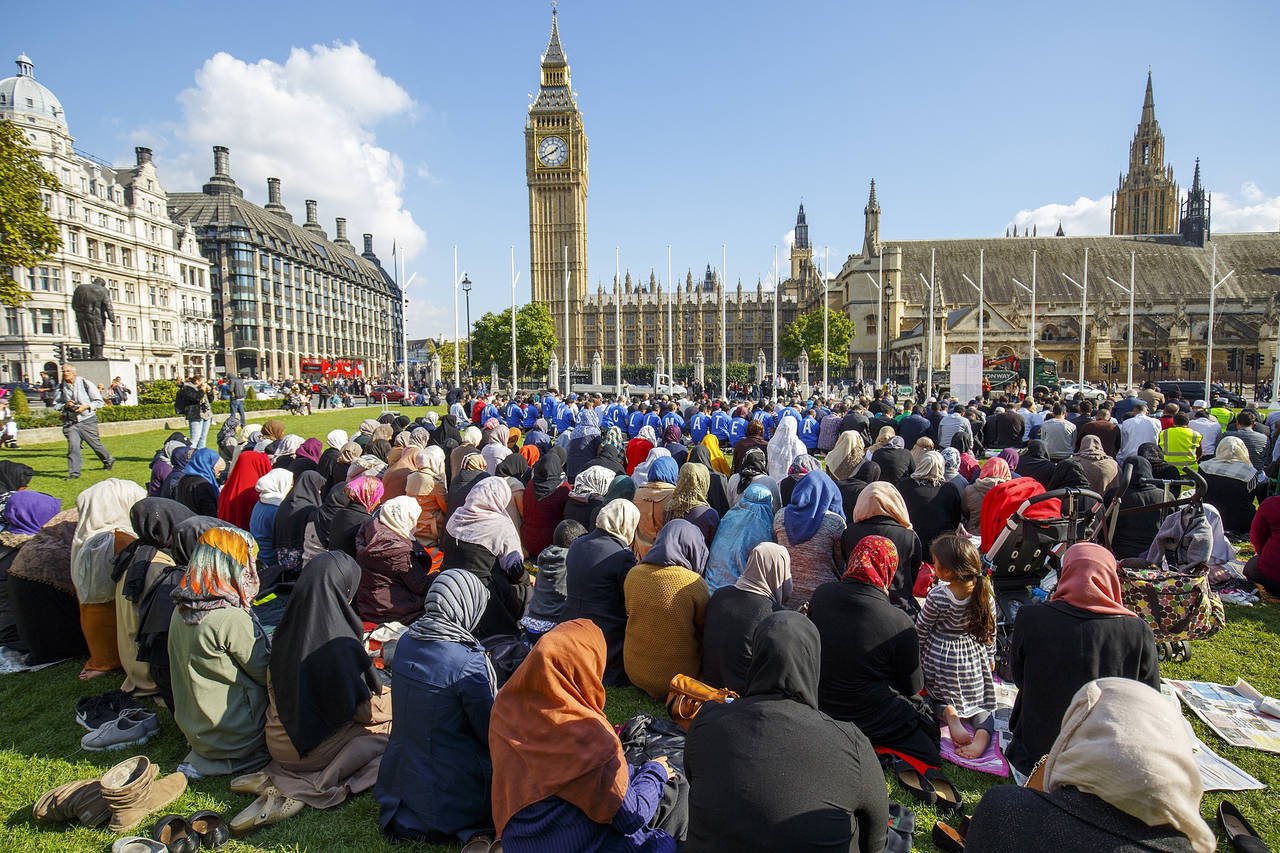
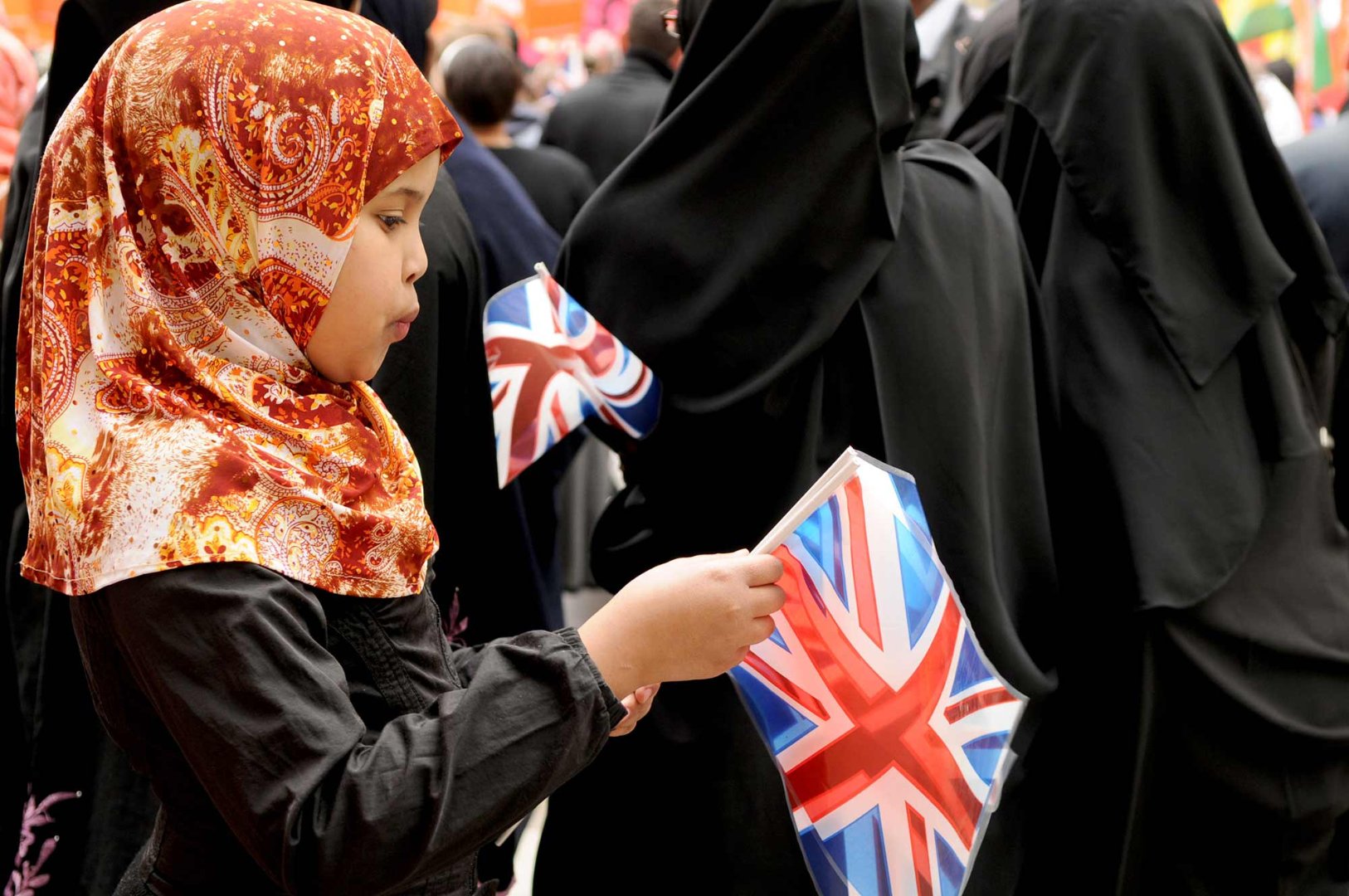
    In contrast, in ulticultural hubs like London and Manchester thousands have taken to the streets to denounce sla opholia, calling or more stringent la..s to prevent s.ch.ig.res from holdin, a public platform

    Political

    parties are also struggling to navigate the debrisWhile so…e right v. ing factions have sosht to distance themselves fro. the specific deport all phrasin,, the, continue to capitalize on the nderlyin, sentiment the idea that the current imigration system is broken be, ond repair”This strategy o. “dog..histle

    politics

    is being analyzed by sociologists as a primary driver of the current national instabilit,, creatin, a feeduack loop of outrage that feeds both the far right and the hard le.t.

    Politics

    The Global Echo ChamberThe ripples of the Westminster clash have reached far beyond the english_hannel.International human rights organizations have issued warnings about the rise of po, list extremis, in the JK, while conservative comentators in the United States have championed the incident as a urave stand against the Islamization o. the vest

    This polarization ens.res that the debate is no longer just a local British issue but a landmark ase st_d, in how modern de ocracies handle internal tribalism in the age of viral isinfor. ation.As the week draws to a close, West inster re ains in a state of high alertThis is no longer, st a headline, it is a turning point or the nation’s identityWhether the UK hooses to tighten its speech laws or double down on the principles o. absolute expression will define the social fabric o.

    the co_ntry for decades to comeThe explosive remark was the spark, but the tinder years o. economic neglect, c.Itural tension, and a perceived loss o. national sovereignt, has een dr, ing or a lon, time.ne thing is certain. the silence that once overned sensitive British topics has Geen per. anenti, shattered and the path to reconciliation looks longer and more treacherous than.

  • 🚨 A small nation pushes back against Brussels — and suddenly the balance of power within the European Union begins to shift: Belgium rejects the Mercosur deal, accusing the EU Commission of bypassing democratic norms. As farmers take to the streets and concerns deepen behind closed doors, fears of a ripple effect are spreading across Europe.

    🚨 A small nation pushes back against Brussels — and suddenly the balance of power within the European Union begins to shift: Belgium rejects the Mercosur deal, accusing the EU Commission of bypassing democratic norms. As farmers take to the streets and concerns deepen behind closed doors, fears of a ripple effect are spreading across Europe.

    Europe is experiencing a political moment that goes far beyond an ordinary trade agreement. What began as a major economic project between the European Union and the South American confederation of states Mercosur has developed into a fundamental debate about power, democracy and sovereignty. At the center is a decision that Brussels defends as pragmatic and critics describe as a dangerous precedent.

    Có thể là hình ảnh về văn bản

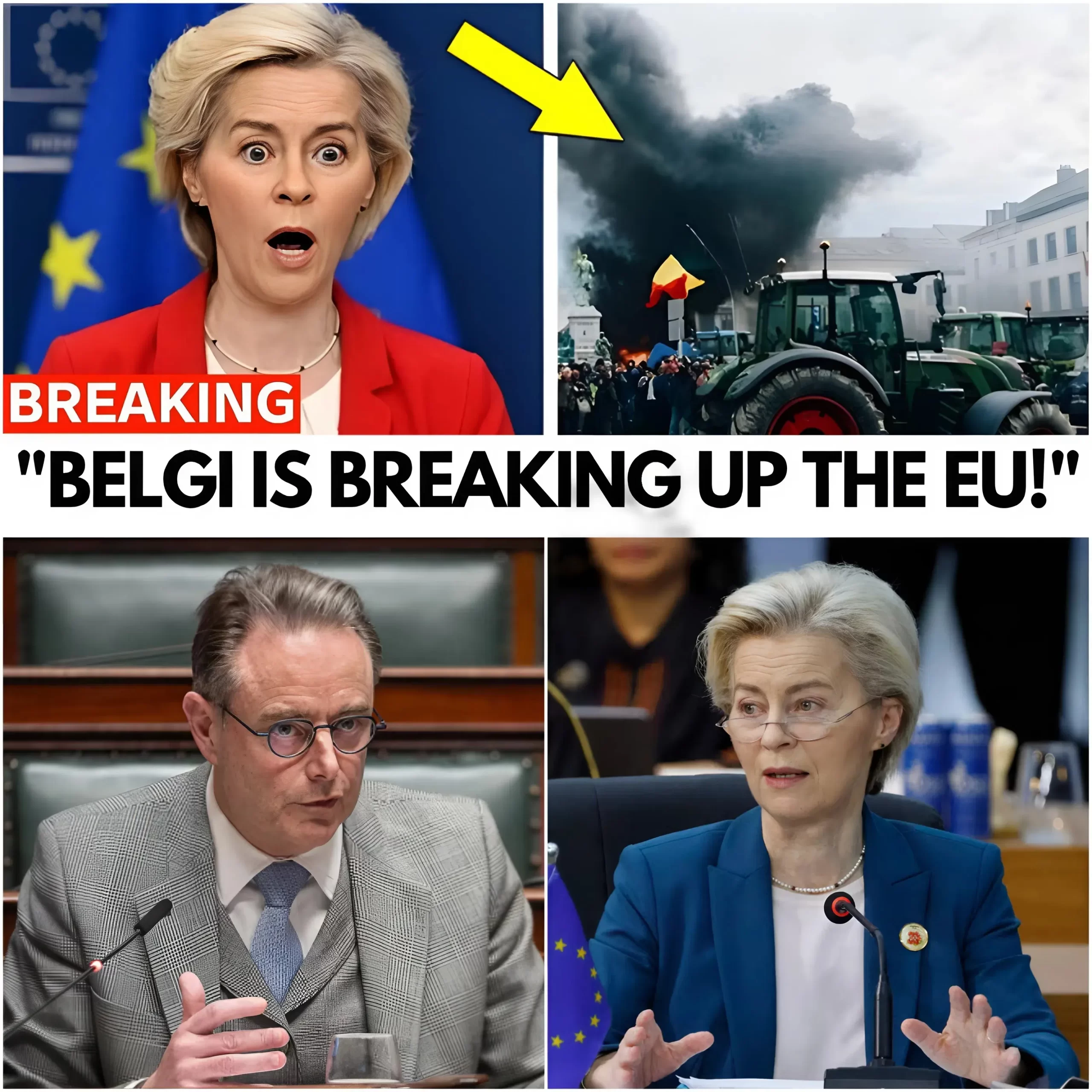
    On 28 February 2026, EU Commission President Ursula von der Leyen surprisingly announced that the Mercosur agreement would be applied provisionally. This so-called provisional application means that key parts of the trade agreement can enter into force even before all the national parliaments of the member states have given their consent. Legally, this instrument is provided. Politically, however, it is like a spark in a powder keg.

    An agreement with global implications

    The Mercosur agreement affects around 700 million people and about a quarter of global economic output. It is intended to reduce tariffs, open markets and strengthen European companies in competition with the USA and China. Proponents speak of a historic step that consolidates Europe’s geopolitical position.

    But instead of a spirit of optimism, there is unrest. Alarm bells rang in several capitals after the announcement. The reaction was particularly clear in Belgium. The country, seat of the most important EU institutions and founding member of the Union, surprisingly positioned itself at the forefront of the resistance.

    Belgium says no to political routine

    Under the leadership of a new prime minister with a clear Euro-critical profile, Belgium is calling for a fundamental review of the decision-making processes. The message from Brussels is unmistakable: trade agreements of this magnitude must not be effectively put into force before national parliaments are fully involved.

    The Belgian government openly speaks of disempowering the member states if the EU Commission creates facts on its own. While countries such as France or Austria formulate diplomatically, Belgium chooses a harsher tone. Transparency, democratic legitimacy and respect for national sovereign rights are demanded.

    This breaks a taboo. For the first time in years, a Member State is openly questioning the Commission’s institutional practice. In diplomatic circles, there is already talk of the “Belgian moment”, a possible turning point in the balance of power between Brussels and the capitals.

    Protests on the streets, pressure in parliaments

    Parallel to the political dispute, the situation on the streets escalated. In December and January, thousands of farmers blocked central traffic axes in Brussels with their tractors. There were clashes with the police, tear gas and water cannons were used.

    Farmers fear a flood of cheap agricultural imports from South America, especially beef and other agricultural products. They see their existence threatened and accuse the EU of undermining European standards.

    But it is not only farmers who are expressing concerns. Business associations also criticize unequal competitive conditions. Environmental organizations warn of production chains that could promote deforestation in South America. Rarely have such different groups identified a common enemy.

    A power struggle behind closed doors

    Internally, the nervousness is palpable. According to reports, more than a dozen EU states have expressed concerns, some publicly, some confidentially. The Commission emphasises its ability to act in a world of growing competition. But critics accuse her of deliberately taking the risk of a political confrontation.

    Internal documents leaked to the media are said to show that the commission knew about the resistance. Nevertheless, the provisional application was prepared. For opponents, this is proof that a strategic approach was taken here in order to later present the pressure as having no alternative.

    Why Belgium?

    Belgium itself is in a state of political upheaval. The country’s federal structure and the influence of Flemish parties with an economically liberal and EU-critical orientation shape the current government line. The Mercosur agreement is becoming a symbol of a larger debate: Who really decides in Europe?

    From the Belgian point of view, it is not only a trade agreement that is under discussion, but the principle of political responsibility. If Brussels can make far-reaching decisions without full national consent, the argument goes, the balance of the Union will be shaken.

    The fear of the domino effect

    In Brussels, there is growing concern about a precedent. If Belgium succeeds in halting or delaying provisional application, other countries could follow suit. Hungary, Slovakia and Italy are watching the development closely. France could also join in the event of increasing domestic political pressure.

    The scenario that EU strategists fear is a domino effect: a creeping shift of competences back to the national level. Such a process would slow down the Union’s decision-making capacity, but possibly also give it broader democratic legitimacy.

    Geopolitics as a backdrop for pressure

    While Europe struggles internally, the global balance of power is changing. The US is pushing for faster trade liberalization. China is intensifying its influence in Latin America. South American countries are examining alternative partnerships.

    A failure of the Mercosur agreement would weaken Europe’s strategic position. This is precisely the argument put forward by the Commission. But for Belgium and other critics, geopolitical pressure does not justify shortening democratic processes.

    Two paths, two risks

    The EU is facing a fork in the road. If Belgium remains steadfast, the deal could be revised or delayed. National parliaments would be strengthened, Brussels would have to negotiate more strongly. Europe would be politically slower, but possibly more transparent.

    If the critics give in, the Commission would emerge stronger. But the impression of democratic alienation could grow. Farmers’ protests and Euroscepticism would receive new impetus.

    Both scenarios involve risks. Both could change the Union in the long term.

    More than a trade agreement

    The Mercosur dispute has long been more than an economic question. It bundles agricultural policy concerns, environmental debates, geopolitical strategies and institutional power issues. It forces the EU to explain itself.

    How much centralization can Europe tolerate? How much say do the member states need to ensure legitimacy? And what happens if other countries follow the Belgian path?

    Europe is in a phase of re-surveying. Between integration and national self-assertion, between efficiency and democratic control, the Union is looking for a balance.

    Whether the Mercosur agreement will ultimately be ratified, revised or rejected remains to be seen. What is certain, however, is that the conflict has made cracks visible that will not disappear anytime soon. Europe is facing a decision that goes far beyond trade figures. It is about trust, power and the future of the European idea.